
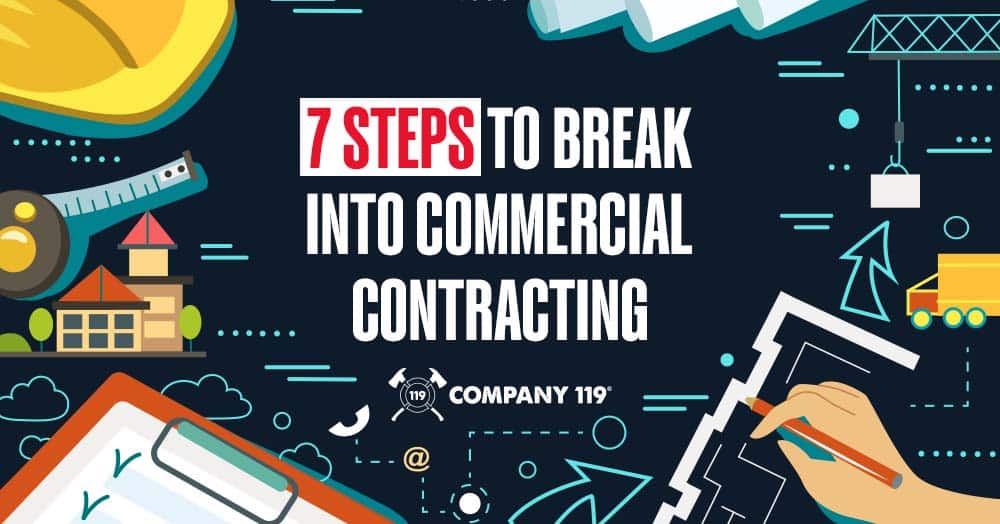
Breaking into commercial construction can feel a little like starting from scratch—new clients, bigger contracts, higher stakes. But if you’re a residential contractor ready to level up your business, the opportunity is massive. Commercial projects can mean steadier work, higher profit margins, and a whole new level of growth for your business.
The good news? You already have the skills to do the work. Now it’s about getting your business seen by the right people—and that’s where smart contractor marketing comes in. In this step-by-step guide, we’ll walk you through exactly how to transition from residential to commercial with powerful digital marketing strategies that actually get results. Let’s dive in.
Residential and commercial construction are two different worlds. Before anything else, take time to understand what commercial clients expect: tighter deadlines, formal bidding processes, strict building codes, and longer project timelines. The stakes are higher, but so are the rewards. If you want more business as a contractor in the commercial world, it starts with adopting a mindset focused on professionalism, consistency, and scalability.
At the same time, consider scaling operations. You’ll need to manage more staff, equipment, and resources to meet commercial demands. Commercial projects also tend to require more detailed documentation and reporting, so brush up on compliance and paperwork requirements. As you transition, getting comfortable with these details will help you build credibility in the commercial space and gain trust from high-profile clients.
You won’t get commercial jobs without showing you’re capable of handling them. Start by highlighting any larger residential projects you’ve completed, multi-unit builds, or specialty work that’s relevant. Invest in professional photography and put together an impressive portfolio. This is your first impression. And in contractor marketing, perception matters just as much as skills.
Go beyond showcasing past projects by demonstrating your expertise in handling high-level projects. Include specific details about your experience with high-value or complex jobs, such as office buildings, retail spaces, or industrial facilities. Potential commercial clients want to see that you’re not just a general contractor—you’re someone who can tackle large-scale, demanding projects with professionalism and efficiency.
Commercial clients aren’t finding you through word of mouth alone. They’re searching online—and your website, social media, and profiles need to show that you’re ready for commercial contractor work. Use a clean, modern website that markets your commercial capabilities, and consider partnering with a digital marketing agency for contractors that understands how to target decision-makers like property managers, developers, and business owners.
Your digital presence should emphasize trustworthiness and expertise. Incorporate client testimonials, certifications, and affiliations that help validate your credibility. An optimized website with a professional portfolio, services page, and a blog showcasing your expertise in commercial projects can go a long way in attracting prospects who are already researching contractors online. Don’t forget to make your contact information easy to find.
When it comes to marketing to contractors and commercial decision-makers, precision is key. Use LinkedIn ads, Google ads, and targeted email campaigns to reach property managers, real estate developers, and general contractors looking for subs. Remember: digital marketing isn’t just about shouting louder—it’s about getting your brand in front of the right people at the right time with the right message.
To maximize results, segment your audience and craft ads tailored to different sectors. For example, a developer looking for general contractors will have different needs than a retail chain seeking a specialized contractor for store fit-outs. Use data-driven strategies (think: retargeting and geofencing) to reach the decision-makers who need your services the most. By narrowing your focus, you’ll increase the likelihood of turning impressions into valuable leads.
Commercial projects are about relationships and trust. That means it’s time to start networking with architects, developers, property managers, and commercial real estate agents. Attend industry events, join commercial construction associations, and don’t be afraid to make the first move. If you’re wondering how to get more business as a contractor in the commercial space, know that relationship-building often matters more than your price tag.
Cultivating relationships goes beyond networking events. Stay top-of-mind by offering value in the form of industry insights, free consultations, or even helping potential partners solve specific problems. Being active in industry groups and attending events consistently helps you build credibility, showcase your expertise, and position yourself as the go-to contractor for commercial projects. As these relationships grow, so will your reputation.
Landing one commercial project is great, but building a pipeline is even better. Invest in ongoing search engine optimization (SEO) so your company ranks when someone searches for commercial contractors in your area. Stay active on LinkedIn and publish blog posts showcasing your expertise. Contractor marketing is a long game that keeps your pipeline full year-round.
Don’t rely solely on immediate leads. Establish a robust email marketing strategy to nurture leads over time, keeping your services top of mind for when they’re ready to hire. Update your website with case studies, articles, or project highlights to position your business as an authority in commercial construction. Effective digital marketing for contractors positions you as a trusted source, making your business the first one a client reaches out to when they need a commercial contractor.
Once you’ve landed your first few commercial projects, it’s time to crush the delivery. Meet deadlines, maintain communication, and stay on budget. After a job well done, ask for a testimonial or a referral. Commercial clients talk, and word-of-mouth is still one of the best ways to get more business as a contractor—even in the digital age.
As your portfolio grows, leverage your success. Use your testimonials to showcase your reliability, professionalism, and ability to handle large-scale projects. Collecting and displaying positive feedback helps position you as the go-to contractor for future commercial clients. In a competitive industry, reputation is everything, and strong testimonials will only enhance your chances of securing your next big job.
Breaking into the commercial market as a residential contractor can be challenging, but it’s a highly rewarding opportunity. Remember, commercial contractor marketing isn’t a one-time effort—it’s all about consistency and making the right moves to get noticed.
If you’re ready to accelerate your growth and need tailored marketing strategies to help you stand out in the competitive commercial market, we’re here to help. As a top digital marketing agency for contractors in the commercial space, Company 119 can create a customized plan to boost your visibility, drive leads, and help you land the projects you deserve. Let’s take your business to the next level. Contact us today!