
For many manufacturers, trade shows are one of the largest line items in the marketing budget. They offer a unique chance to meet high-value buyers face-to-face, but without a clear focus, you risk walking away with a bag of generic leads that never convert.
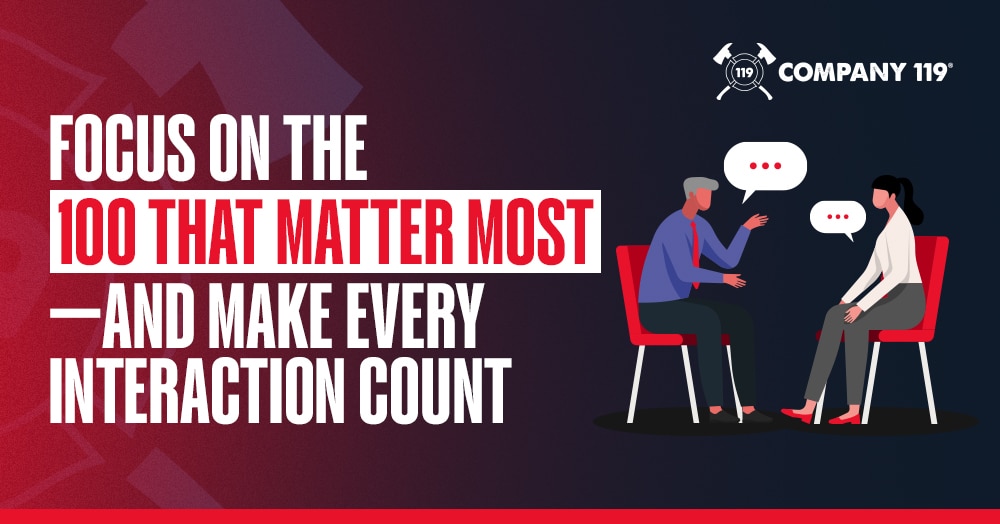
That’s why more manufacturers are building a “Hot 100” list—a short, strategic list of the prospects that could truly impact their sales pipeline. Aligning your trade show approach with this list ensures your investment works harder and produces measurable results.
Your Hot 100 shouldn’t be just any attendees—it should be the prospects who would be a game-changer for your business.
Consider:
This list will guide everything from your pre-show marketing to how you train your booth team.
Trade show success doesn’t start at the booth—it starts months ahead. For manufacturers, this might mean:
The goal is for these prospects to arrive already knowing who you are and why they should talk to you.
Instead of trying to appeal to every passerby, build your booth and talking points for the prospects who matter most. That might mean showcasing specific applications, having sample parts ready for review, or even hosting timed presentations that hit on their priorities.
The real ROI happens in your follow-up. Within a week:
If you want your next trade show to deliver real sales opportunities—not just a busy booth—start with a Hot 100 list and a strategy built to convert them. We can help you target the right prospects, create the right touchpoints, and make your trade show investment pay off.
A: A Hot 100 list is a curated selection of your most valuable prospective customers—those who have the highest potential to convert and deliver meaningful revenue for your business.
A: It allows you to prioritize your time, resources, and booth strategy on prospects who are most likely to produce a strong return on investment.
A: Start outreach at least 60–90 days before the event to schedule meetings, share product previews, and make prospects aware of your presence.
A: Tailor booth displays, product demos, and marketing materials to address the priorities and pain points of your top prospects rather than trying to appeal to everyone.
A: Send personalized follow-ups, share relevant resources, and set a clear next step such as a proposal, plant tour, or engineering review.