
For decades, manufacturers have relied on distributors to get their products into the market. That partnership still matters—but the world around it has changed. Today’s contractors research online, specify brands based on reputation, and make buying decisions long before they ever talk to a distributor rep.
The problem? Most manufacturers aren’t part of that conversation.
When distributors control all visibility, your products only move when they decide to promote them. That creates a dangerous dependence—and an unpredictable sales cycle. If you’re waiting on distributors to create awareness, you’re already behind.
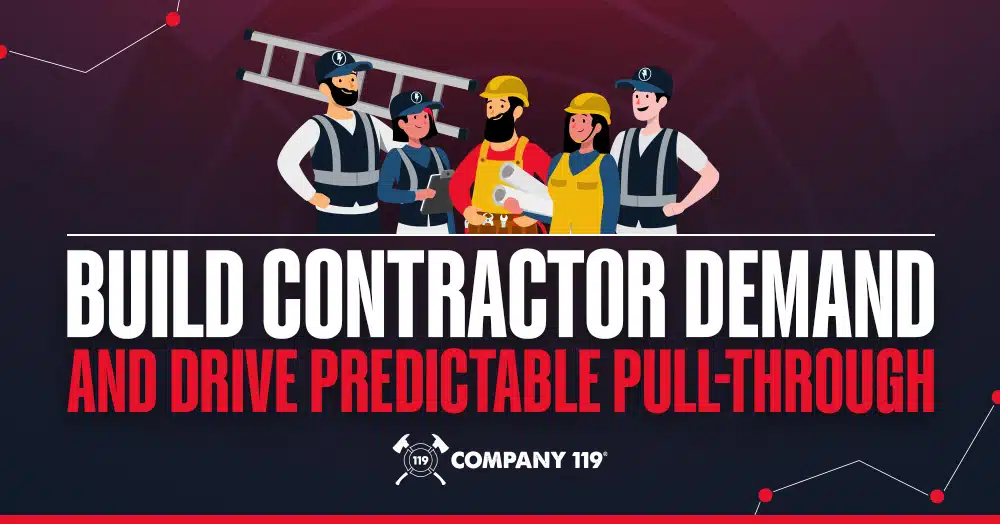
To build consistent pull-through and predictable revenue, manufacturers need to reach contractors directly.
Distributors play an essential role, but their priorities don’t always align with yours. They’re selling dozens—or even hundreds—of competing product lines. The result is often a fragmented message and inconsistent representation of your brand.
Even the most loyal distributors can’t (and won’t) market every line equally. They’ll focus on what’s easiest to sell or most profitable at the moment. That means your visibility depends on variables you can’t control: rep preferences, shelf space, and timing.
Worse yet, most distributors aren’t actively building demand—they’re simply fulfilling it. When contractors don’t already know or ask for your products, there’s little incentive for distributors to push them.
The takeaway: Distributor relationships are vital, but distributor push alone won’t sustain growth.
The most successful manufacturers today are creating “pull” instead of waiting for “push.” They’re building awareness among the people who actually specify and use their products—contractors, engineers, and developers.
When a contractor knows your brand and trusts your performance claims, they start asking for your products by name. That changes everything. Suddenly, distributors aren’t being asked to push—they’re being asked to supply.
That shift is what we call pull-through: demand that starts with the contractor and flows predictably through the distributor. It’s the difference between chasing attention and owning it.
Here’s the hard truth: many mid-sized manufacturers are still marketing like it’s 2005. They attend trade shows, print catalogs, and rely on distributor promotions—but their digital presence doesn’t match the quality of their products.
Contractors, however, are searching online, watching demos, and comparing specs digitally. If your website doesn’t clearly explain who you serve, what you make, and why it matters, you’re invisible during the most critical part of the buying cycle.
This Visibility Gap keeps great manufacturers hidden while competitors with stronger digital footprints win more bids. Closing that gap means showing up where contractors are looking—long before they talk to a distributor.
Manufacturers who want to drive consistent pull-through need systems—not one-off campaigns. The key is building a repeatable process that connects awareness, engagement, and follow-up at every stage:
This isn’t about replacing your distributors—it’s about empowering them. When contractors already know and trust your brand, your distributors can close deals faster and more consistently.
Manufacturers who rely solely on distributor push are left reacting to someone else’s sales priorities. But those who invest in contractor visibility gain control over their own pipeline.
That control means:
You can’t outsource awareness. But you can build systems that make it automatic.
Trade shows are the perfect moment to start building direct awareness with contractors—but visibility shouldn’t end when the event does.
If you’re ready to turn that interest into lasting demand, download our 9-step guide today.
Get the Guide: From Invisible to Irresistible – The Clearest Path to Turn Attendees into Customers