
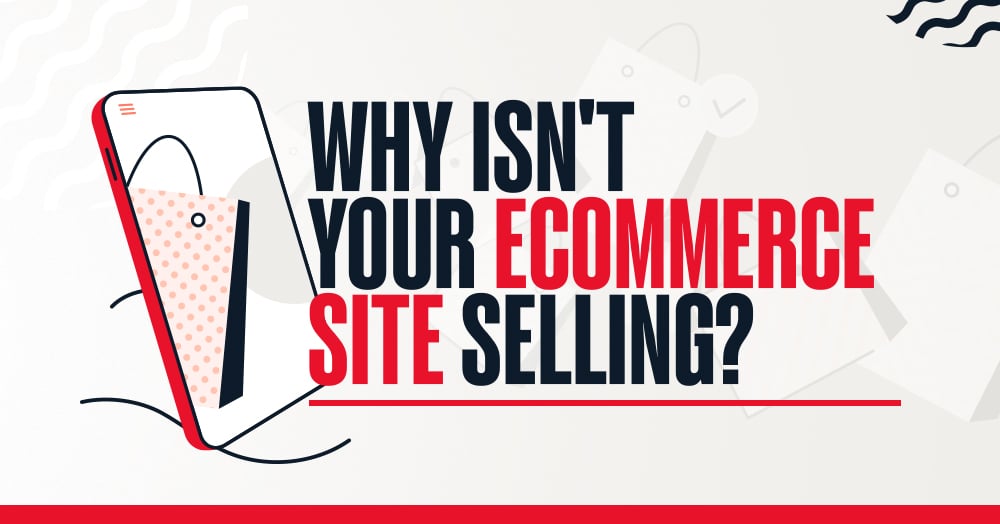
We’ve heard it from countless clients: “Why is my ecommerce site not selling?” When every click leads to potential profit, the success of an ecommerce site hinges on more than the appeal of your products. After all, the virtual shelves are brimming with options, each competing for the attention and wallets of online shoppers.
The truth is, ecommerce has evolved into a cutthroat arena where only the savviest survive. From industry titans to innovative startups, businesses of all sizes are battling for attention and loyalty. Over 20 percent of retail purchases are expected to take place online in 2024, with 34 percent of consumers shopping online at least once a week.
But even if you’re already sacrificing blood, sweat, and tears to grow your online storefront, you might find yourself grappling with a disheartening truth: your products aren’t selling. So, where did you go wrong, and what steps can you take to start selling? From flawed marketing strategies to UX pitfalls, let’s uncover the root causes behind the failure of ecommerce sites to convert visitors into customers.
A poor user experience can lead to lost conversions, abandoned carts, and frustrating shopping journeys. If shoppers are having a hard time navigating your website, they’re probably going to abandon their cart to shop with your competitors. Why? When users land on a site with a complex interface, they’ll become frustrated while trying to find what they need. According to UX statistics, a whopping 70 percent of customers abandon their purchases due to a poor user experience.
Meanwhile, a confusing or cluttered website interface can take a serious toll on your brand’s trust and credibility in the eyes of users. If your site looks outdated, unprofessional, or poorly maintained, potential customers may question the reliability and legitimacy of your business. Trust is a crucial factor in ecommerce transactions—and any doubts about the trustworthiness of your site can cause users to abandon their carts and seek out more reputable alternatives.
Altogether, these factors can impact your bounce rates, as users are more likely to leave your site without exploring further. High bounce rates signal to search engines that your site isn’t delivering relevant or satisfactory content to users, which can negatively impact your search engine rankings and visibility. Additionally, users who bounce from your site are unlikely to return or provide positive referrals, further impacting future opportunities for conversions.
Improving website usability and navigation is the first step toward curating a positive user experience and maximizing conversion rates. This was the aim of Malley’s Chocolates’ new ecommerce website design. The goal of the project was straightforward: Shopping online should be easy—and the updated site simplified the customer experience as much as possible.
Whether you’re partnering with web development experts or going the DIY route, here’s how to enhance your site’s interface to make it more user-friendly.
When clients come to us with obstacles like “my ecommerce site is not selling,” low-quality product descriptions and images are one of the biggest culprits. Think about it: If you’re slacking on these fundamentals, you’re going to have a hard time showcasing your products and their value.
Detailed descriptions provide essential information about the features, specifications, and benefits of a product. Without clear descriptions, potential customers might struggle to understand exactly what the product is, how it works, or why they need it. In turn, this confusion or ambiguity can lead to hesitation and ultimately deter customers from making a purchase.
Especially if you’re competing for attention in an oversaturated marketplace, compelling product descriptions can differentiate your offerings from the competition. Highlighting any unique selling points, key features, and value-added benefits can persuade customers to choose your product over the competition. Without conversion-worthy descriptions, your products may blend into the background, making it difficult for customers to discern their value or relevance.
When it comes to product images, high-quality images play a crucial role in building trust and confidence in the quality and authenticity of your products. Clear, professionally photographed images allow customers to inspect the product in detail, visualize how it’ll look or function in real life, and assess its quality and craftsmanship. On the other hand, low-resolution images can create doubts about the legitimacy or condition of the product.
Investing in detailed product descriptions and high-quality images is essential for effectively showcasing your products and fostering trust in your brand. Here’s how to get started.
What kind of support do you offer for ecommerce shoppers? If you’re failing to meet shoppers’ expectations, this can have far-reaching consequences beyond individual transactions, impacting overall brand reputation and customer loyalty. According to Zendesk, more than half of consumers switch to a competitor after only one bad experience with a business.
Exceptional customer service builds trust and confidence in your brand. When customers know that they can rely on swift assistance whenever they have concerns, they’ll feel comfortable making purchases from your site. Conversely, subpar customer service can erode trust.
At the same time, standout customer service can drive loyalty and repeat purchases. When your customers feel valued and supported, they’re more likely to return to your ecommerce site for future purchases and recommend your brand to friends and family. However, if they encounter unresponsive or dismissive customer service reps, they may seek out alternative providers who prioritize their needs and preferences.
Of course, satisfaction rates also play a major role in your online reviews. Positive experiences lead to glowing reviews and high ratings, boosting your credibility and attracting new customers. Meanwhile, negative experiences can lead to scathing reviews and low ratings, tarnishing your brand image and dissuading potential customers from choosing your business.
Prioritizing exceptional customer service and swiftly addressing inquiries, concerns, and complaints can go a long way in building trust, loyalty, and satisfaction. Here’s how to effectively address customer service issues and create positive interactions with shoppers.
It’s time to stop asking “Why is my ecommerce site not selling?” and start taking action. To “win” at ecommerce marketing, you’ll need to craft a comprehensive strategy—from developing a polished site to prioritizing the customer experience. You’ll also need to manage and monitor your strategy regularly to make sure it’s working.
At the end of the day, if you’re willing to dedicate the time, effort, and research into creating an effective ecommerce strategy, your business will thank you. And if you’re too busy running your business to spend time working on your site, you can always partner with a marketing team that understands the needs of your business.
At Company 119, we understand the challenges that come with building an ecommerce site—and we’re here to help you fix them. Count on our experienced team to analyze your site’s performance and implement tailored strategies to propel your online business to new heights. Contact us today to turn your ecommerce challenges into success stories.