
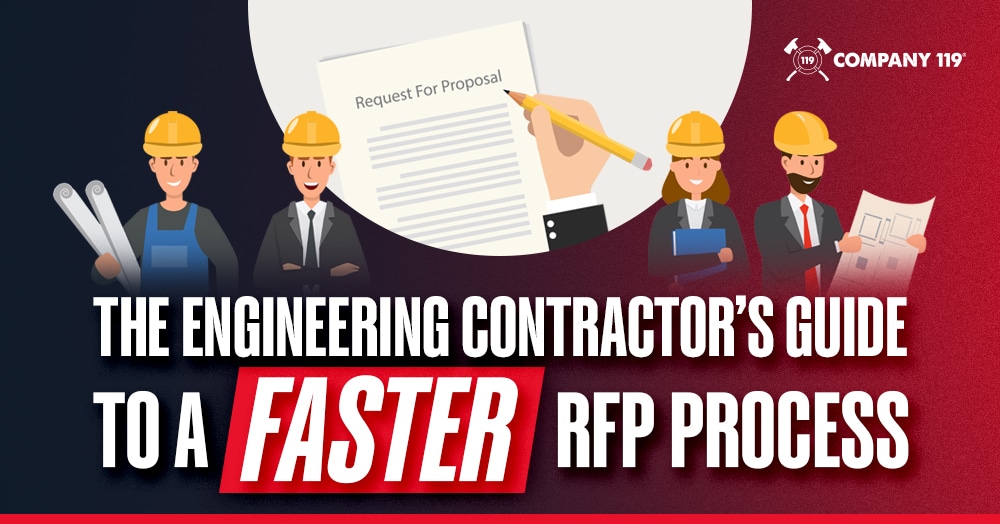
Whether you’re a seasoned contractor or just starting out, you already know that the request for proposal (RFP) process can be a total time-suck. Between hunting down project photos, updating outdated resumes, and piecing together relevant case studies, responding to proposals feels like a scramble. And in the engineering world, where deadlines are tight and competition is fierce, wasting time on disorganized files isn’t just annoying—it’s costly.
That’s where a smart digital asset strategy comes in. When your team has access to a consolidated Digital Asset Management (DAM) system packed with ready-to-go visuals, you can respond faster, more confidently, and with less stress. No more digging through random folders or relying on last year’s blurry site shots.
Ready to take your RFP game to the next level? We’re here to show you how to build a DAM system that works for you, not against you. Because when your assets are on point, your proposals follow suit—and that’s how you win more work.
For many engineering contractors, responding to RFPs feels more like a fire drill than a streamlined process. Despite the high stakes, we’ve seen countless teams rely on outdated, manual methods to pull everything together. The result? Stress, missed deadlines, and proposals that don’t reflect your best work.
A broken process doesn’t just cause headaches—it makes you less competitive. Some common pain points include:
You may not see it line by line on a spreadsheet, but disorganization in your RFP process bleeds time, money, and opportunity. It adds unnecessary friction to what should be a scalable effort and wears down your team in the process.
If your team is constantly digging through shared drives, old emails, or random folders to find photos, bios, or project write-ups, it’s time to rethink your system. A Digital Asset Management (DAM) solution brings order to the chaos, organizing your content in one centralized, searchable place.
Think of it as your team’s digital content hub. A DAM is a cloud-based platform that stores, organizes, and categorizes all your marketing and project assets so they’re easy to find and use. That includes:
A DAM system streamlines your entire RFP process by making key content instantly accessible, keeping branding consistent, and empowering better storytelling with high-quality visuals. It simplifies version control, eliminates the chaos of scattered files, and scales as your firm grows. In other words, it helps your team respond faster, make the most of your engineering marketing efforts, and present more polished proposals, giving you a real edge in a competitive bidding environment.
Not all content is created equal, especially when it comes to proposals. Strong digital assets are the difference between a bland, forgettable submission and one that grabs attention and builds trust from the first page. Here’s what you need to make it happen.
A strong library of digital assets requires intention, structure, and regular upkeep. Here’s how to do it right:
1. Audit what you already have. Go through current files across your team, shared drives, and past proposals. Identify what’s useful, what’s outdated, and what’s missing entirely.
2. Categorize and organize your existing assets. Create folders for project photography, case studies, testimonials, design templates, CAD files, and team bios. Use consistent naming conventions and tags to make files searchable (for example, “2023_ABC_BridgeProject_BeforePhoto.jpg”).
3. Centralize access. Store everything in a cloud-based DAM or shared system where all stakeholders—marketing, project managers, BD—can access the same up-to-date files.
4. Keep your assets updated. Schedule regular updates (quarterly or biannually) to refresh bios, add recent photos, and archive outdated materials.
5. Assign ownership. Designate a team member (or small committee) to manage the library, maintain quality control, and ensure consistency.
If your RFP process feels like a last-minute scramble every time, you’re not alone—but you don’t have to keep operating in survival mode. With a streamlined digital asset library and a solid DAM system in place, your team can respond faster, with more polish, more consistency, and a lot less stress.
The bottom line? Organization isn’t just nice to have; it’s a competitive advantage. Start by building your asset library, tighten up your workflows, and give your team the tools they need to amplify your engineering marketing strategy, without burning out in the process.
Ready to stop winging it? Contact Company 119 today to start getting intentional.