
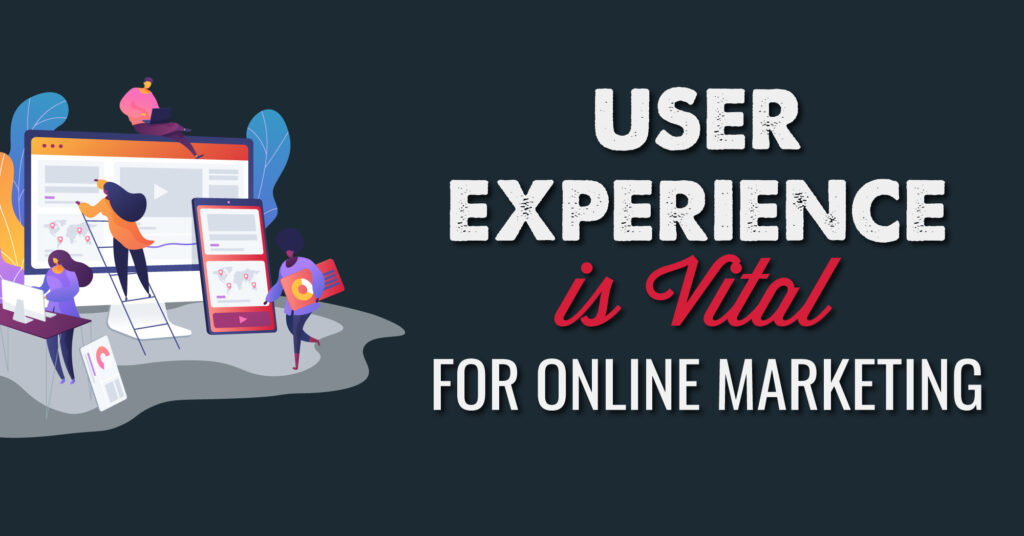
Your website is the foundation of your online marketing efforts. All of your social media posts, your paid advertising campaigns, and your digital outreach communications point back to your website. That’s why your senior living community needs a website that is optimized for both search engines and user experience. There are several key reasons why:
Case in point: Ohman Family Living, a family-owned and managed senior care organization in Northeast Ohio, had recently brought several existing communities together under the Ohman Family Living brand. The challenge for their new website design was to create a cohesive digital presence for all of the communities online. Their new website elevates their digital presence and reflects the uniqueness of their senior living brand.
So, now that you know that optimizing your senior living community website is essential to improve user experience and enhance the visibility of your brand online, how can you achieve this? There are many considerations when designing a website that will perform in search, deliver an easy and positive user experience, and clearly convey your key messages and services.
1. Mobile-Friendly Design: Ensure that your website is responsive and adapts to various screen sizes. Many older adults use mobile devices: AARP reports that 81 percent of those between the ages of 60 to 69 use a smartphone and 62 percent of those 70 and older use smartphones. This means that a mobile-friendly design is crucial for a positive user experience.
2. Clear Navigation: Make your website easy to navigate, with a clear menu structure and logical organization. Use descriptive labels for menu items, so users can quickly find the information they need.
3. Readability: Use a legible font size and style for easy reading. Avoid using too many different fonts and colors, as they can be distracting and make the content harder to understand.
4. High-Quality Imagery: Use high-quality images that reflect your community’s lifestyle and facilities. Avoid using stock photos that don’t accurately represent your community. If you lack a media library full of high-quality images and videos, it may be worth engaging the services of a professional video and photography provider.
5. Fast-Loading Speed: Optimize your website’s loading speed by compressing images, minimizing plugins, and using a reliable hosting service. Slow-loading websites can lead to higher bounce rates.
6. Focus on Accessibility: Ensure that your website is accessible to all users, including those with disabilities. Implement features like alt text for images, proper heading structure, and keyboard navigation.
7. Highlight Key Information: Place essential information, such as contact details, services offered, and location, prominently on the website to make it easily accessible to visitors.
8. Testimonials and Reviews: Showcase positive testimonials and reviews from current residents and their families. This builds trust and confidence in your community’s services.
9. Call-to-Actions (CTAs): Include clear and strategic CTAs throughout your website to encourage visitors to take specific actions, such as scheduling a tour or contacting your community.
10. Virtual Tour or Video: Consider adding a virtual tour or video that provides an inside look at your senior living community. Visual content can be highly engaging and helps potential residents envision themselves living there.
11. Blog and Educational Content: Maintain a blog section where you can publish content related to senior living, health, wellness, and other relevant topics. This positions your community as an expert resource and improves your search engine visibility.
12. Local SEO: Optimize your website for local search by including location-specific keywords, adding your address to your Google Business profile, and obtaining online business citations.
13. Social Media Integration: Integrate your social media profiles on your website to encourage visitors to connect with your community on different platforms.
14. Regular Updates: Keep your website content up-to-date with the latest information, events, and news. Regularly refresh the content to maintain relevance and engagement.
By implementing these website optimization strategies, you can improve the user experience, boost your brand’s visibility, and effectively showcase your senior living community to potential residents and their families.
Company 119’s website design and development team can be your partner in this effort. If your website isn’t serving your needs as a senior living organization, it’s time for us to talk. Please reach out to let us know your current challenges, and we’ll work together to find a solution.