
You already know that marketing plays a key role in driving potential leads to your website. But what happens when they’re not ready to book an appointment?
Turns out, 97 percent of people who visit your website for the first time leave without taking action—but that doesn’t have to be your final goodbye. The first visit to your website is just the start. Now, it’s time to implement strategies to stay in touch with people who are considering your services as the potential solution to their problems.
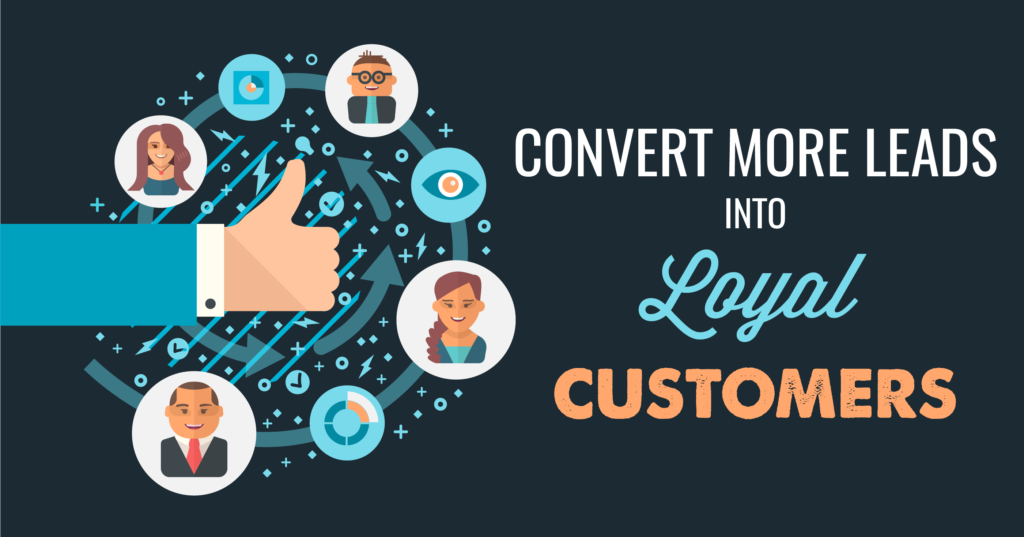
You need to nurture your relationship so you can convert potential leads into loyal customers. You need to play the long game, and that means creating a comprehensive top-of-mind strategy to keep leads and customers coming back for more.
The good news? There are tons of ways to connect with potential customers, through multiple channels, so you can create a smart strategy that follows your target audience along their customer journey. Here’s how to get started.
If you’re new to marketing, you’re probably just focused on getting enough leads into the funnel. But once you start driving leads, you need to differentiate who’s really interested from who’s just starting to shop around.
Enter lead scoring. It’s the process of assigning values (usually in the form of numerical “points”) to every lead. You can score leads based on different attributes, from their interactions with your business to information they’ve submitted to you. This way, you can prioritize leads, nurture them with personalized interactions, and boost your conversion rate.
What’s the best way to score leads? First, look at your past customers to see what they have in common. Next, look at your lost leads to see what they have in common. Once you’ve analyzed historical data from both sides, you can decide which attributes make a qualified lead.
Your lead scoring system should include key information about your leads, including:
Before you start scoring leads, you’ll need to bring sales and marketing together. Think about it: Your sales reps work hard. They’re talking to every lead who enters your funnel, whether that customer ends up converting or not. Chances are, they’ll have a pretty good idea of which marketing materials guide leads to the next stage of the funnel.
If lead scoring is the backbone of marketing, content marketing is the muscle. It’s about creating relevant, valuable, and engaging content to keep your business top of mind with potential customers.
Potential customers want valuable content from your business. When they’re dealing with a problem, whether it’s a leaky pipe or broken electrical circuit, they’re going to scour the web for answers. They want information before they hire a local contractor for the job. That’s where you can swoop in, grab their attention, and earn their trust with solutions to their problems.
But there’s a catch: You’re not going to drive leads with average content. You need to reach leads in a way that feels natural, organic, and authoritative. That’s where content marketing can help you attract, engage, and, ultimately, convert leads. When you create personalized content for every stage of the buyer’s journey, you’ll be one step closer to converting leads into paying customers.
Pro tip: Hold yourself accountable for content creation by creating a content calendar. You’re busy running your business, and telling yourself that you’ll write that blog later is only going to lead to delays and backlogs. It’s inevitable. You need consistent content to keep leads interested, and that starts with a smart content planning process.
Social media matters. In today’s always-on marketing landscape, you need to strengthen your online presence with regular social media updates to show up in your leads’ newsfeeds.
What’s the secret to successful social media marketing? Be where your leads are. Once you’re on the right social media channels, you can start conversations with your followers, keep them engaged with interesting posts, and follow them back. Just like content marketing, your social media presence needs to add value.
You need to show potential customers why you’re worth hiring over the competition, and that starts with sharing tips, advice, and news relevant to your contractor business. When you become a resource for your customers, you build trust and loyalty, which strengthens your brand and reminds them of the value you provide.
To build a powerful lead nurturing strategy, you need to connect every channel to seal any leaks in your sales funnel. You need a seamless customer journey from start to finish, which means you’ll need to diversify the ways you can build relationships with potential customers.
That’s where omnichannel lead nurturing can change the game. It’s about using multiple channels to connect with prospects and have personalized interactions with them. For example, you might create a comprehensive strategy spread across multiple channels, so your emails link to your landing page, which has embedded posts from your Facebook account.
With an omnichannel strategy, you’ll lay the groundwork for top-of-mind awareness. When potential customers are looking for more information, they’ll connect with your business across multiple channels. By creating a convenient customer journey, you’ll show prospects that you’re the best solution to their problems.
Retargeting is a must-have for any contractor, and the numbers back this up. Research shows that customers are 70 percent more likely to convert with retargeting than those who aren’t served retargeting ads. But how can you serve click-worthy ads to potential customers?
It’s easier than you might think. First, you’ll need to create on-brand retargeting ads to build brand awareness. Then, you’ll need to personalize those ads to different audience segments you’re trying to win back. Retargeting ads should reflect where users originally left your website so you can pique their interest with valuable content.
Remember: Retargeting is a long-term marketing strategy. After a local homeowner visits your website, they’ll start seeing your ads while reading articles, watching videos, and visiting other websites online. You need to jog their memory, remind them why you’re worth hiring, and draw them back to your website with relevant content—whether that’s a discount for the last service they viewed or a link to your online booking system for easy appointment scheduling.
Even with a solid top-of-mind strategy, we’ve seen clients slip up with the last step. Instead of waiting for leads to follow up with you “if anything changes” or “when they’re ready,” you need to take a personal approach.
So, when should you follow up with leads? And how can you follow up without being intrusive or pushy? Most marketing automation systems have a scoring system that highlights when your lead shows signs of buyer intent, like visiting your landing page or abandoning your online form. When you see these signs, follow up with relevant discount codes, “how can we help” emails, or reminder texts.
Of course, follow-up shouldn’t end with potential customers. You also need to follow up with past customers to build loyalty and stay top of mind.
It might sound simple, but following up after an appointment has a major impact on the customer experience—and that might just be the push someone needs to hire you for their next job. Don’t forget to remarket with discounts, reminders for seasonal appointments, and preventive maintenance offers, too.
Follow-up might sound complicated and time-consuming, but it doesn’t have to be. With a customer relationship management (CRM) tool, you’ll be able to see the last time you reached out to your prospects so you can send regular reminders without being too intrusive. Plus, you can segment your contacts into different groups for an ultra-personalized approach.
There are so many ways to stay top of mind with potential customers, from content marketing to omnichannel and beyond—and they’re all essential ingredients to a successful lead nurturing strategy.
The bottom line? Companies that excel at lead nurturing generate 50 percent more sales-ready leads at a 33 percent lower cost. Instead of following your tried-and-true marketing strategy, it’s time to take a different approach and increase touch points across your digital platforms.
Want to stay top of mind with potential customers? Ready to put your lead nurturing strategy into action? Give us a call today to fuel your contractor business with a steady stream of leads.