
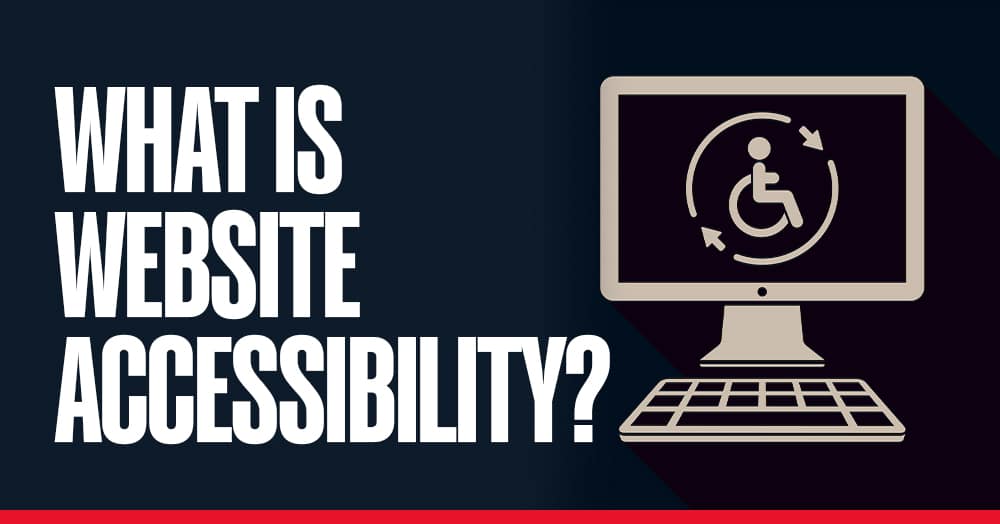
Website accessibility isn’t just a technical requirement—it’s a business essential. So, what does accessibility mean for your website? In simple terms, website accessibility ensures that all users, including those with disabilities, can navigate and interact with your site. Accessibility covers everything from how easy it is to read content to whether someone can navigate your site with a keyboard instead of a mouse.
The ADA (Americans with Disabilities Act) applies to websites, and businesses can face legal action for non-compliance. In fact, lawsuits for inaccessible websites have surged—from 2,258 cases in 2018 to 4,794 in 2021. Business owners who ignore accessibility risk significant penalties and may miss out on reaching potential customers who can’t access their site.
Why It Matters: Besides legal compliance, making your website accessible means reaching a broader audience and showing customers you care about inclusivity. The CDC reports that 26% of U.S. adults live with a disability. By making your website accessible, you’re expanding your audience and potentially increasing your revenue.
Want to know where your website stands? Request a free accessibility scan to see how compliant your site is and what improvements can make it more user-friendly.