
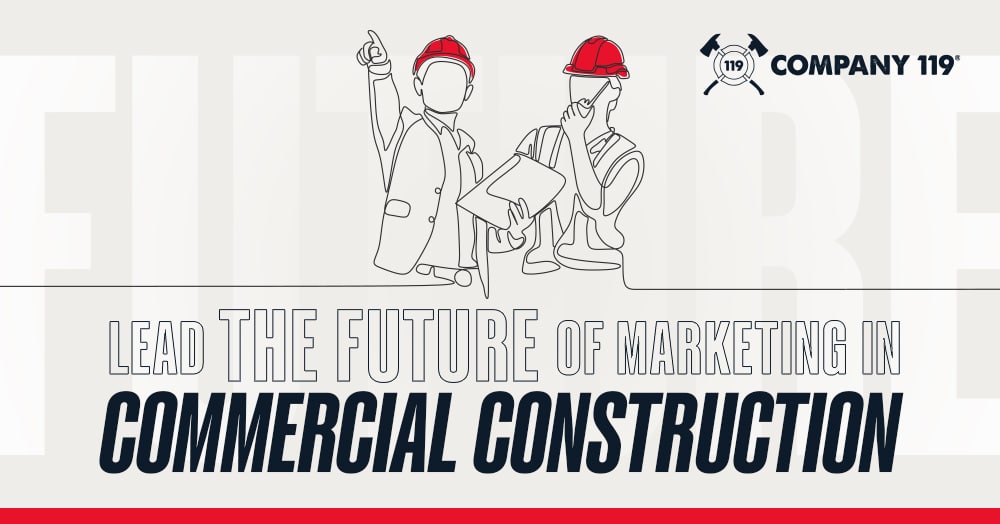
Marketing in commercial construction isn’t what it used to be. The days of relying solely on word-of-mouth, trade shows, and a decent brochure are long gone. In today’s fast-paced, tech-driven world, staying relevant means leveling up your strategy and learning to speak the language of digital. If you’re still clinging to the “we’ve always done it this way” mindset, you’re already falling behind.
So, where is commercial construction marketing headed, and what do you need to watch out for? From evolving client expectations and digital-first branding to data-driven strategies and AI tools, the landscape is shifting fast. Let’s cover the top trends and real-world challenges shaping the future and why upskilling in technical areas and adapting to new tools isn’t just smart—it’s essential.
The construction industry is finally catching up with the power of data. From tracking lead sources to analyzing client behavior across digital platforms, data-driven marketing is no longer optional—it’s the foundation for smarter strategies and better ROI. As commercial contractor marketing continues to evolve, more markets will use analytics to refine messaging, identify the most effective channels, and make budgeting decisions.
It’s time to get comfortable with tools like Google Analytics, HubSpot, and construction-specific CRMs that offer reporting features. If data makes your eyes glaze over, consider taking a basic analytics course or hiring a marketing agency to set up dashboards you can understand. The key is to measure what matters and use those insights to guide your strategy.
Clients in commercial construction are doing their research long before they reach out. They’re looking for commercial contractors who get it—not just flashy salespeople. That’s where content marketing can be your marketing MVP. Blogs, case studies, videos, and guides that provide real value (think: “how to choose a contractor” or “latest trends in commercial interiors”) position your brand as a trusted expert.
Invest in creating content that addresses your audience’s pain points. Interview your project managers, capture before-and-after visuals, and turn complex industry knowledge into bite-sized, easy-to-understand content. If writing isn’t your thing, consider outsourcing to someone who knows both marketing and construction.
Let’s face it: People would rather watch than read. Video marketing is exploding, and the construction industry is uniquely suited for it. Time-lapse project builds, professional drone footage, walk-throughs, and behind-the-scenes videos give prospects a real feel for your capabilities and build trust fast.
There’s good news—you don’t need a Hollywood budget. A decent phone, a drone, and some basic editing software can go a long way. Start small with job site updates or staff spotlights on LinkedIn or Instagram. If you’re not sure where to start, consider short videos explaining technical processes or showcasing completed projects. If you need professional help, consider reaching out to a local video production agency like the Video Department.
Blanket email blasts and generic messaging won’t cut it anymore. Instead, today’s decision-makers expect personalized communication that’s relevant to their needs, industry, or project stage. Thanks to modern tools, you can now tailor messages and nurture leads without a ton of manual effort.
Use marketing automation tools to segment your audience and create personalized email flows. Keep your CRM clean and organized, and build lead nurturing sequences based on user behavior or job title. Even small gestures—like addressing someone by name or referencing their industry—go a long way.
AI isn’t just a buzzword; it’s transforming how marketers operate. From generating content ideas to automating customer service and streamlining campaign testing, AI helps teams do more with less. And in a labor-tight industry like commercial construction, that’s a game-changer. It’s not about replacing people—it’s about freeing up time to focus on strategy and creativity where it really counts.
Start by experimenting with AI tools like ChatGPT for drafting content, Jasper for ad copy, or Lumen5 for video creation. Look into CRMs or email tools that offer AI-powered automation and recommendations. But don’t just rely on the tech. Keep your human touch where it matters most: building relationships and creative storytelling.
With talent shortages across the board, your commercial contractor marketing strategy has to sell more than just your services—it also has to sell your company culture. Potential hires are scanning your social media and website to decide whether you’re worth working for. If you’re not showing off your team, values, and day-to-day culture, you’re missing out on mountains of valuable employer branding opportunities.
Collaborate with HR to create content that spotlights your team, celebrates wins, and gives a peek behind the scenes. Post employee testimonials, team-building events, and job site culture videos. Consider adding a “Careers” page to your website that actually tells a story instead of just a list of open positions.
In-person networking still matters, but your website, social channels, and digital touchpoints are your first impression. From mobile-optimized design to interactive project portfolios, commercial contractors that prioritize digital experiences are winning more bids and standing out from the competition.
Audit your online presence. Is your website fast, modern, and easy to navigate on mobile? Is your portfolio easy to browse and updated with recent work? If not, it’s time for a refresh. Focus on clear messaging, fast load times, and strong calls to action. Don’t forget your Google Business Profile and LinkedIn, either. They matter more than ever.
The future of commercial construction marketing is all about adaptability. You need to keep pace with tech, meet evolving client expectations, and find smarter ways to connect in a competitive space. Whether it’s leveraging AI, refining your content strategy, or building a strong employer brand, staying ahead of these trends isn’t just beneficial—it’s critical.
Not sure where to start? Download our Marketing Audit Checklist for Commercial Contractors. Get a sense of what’s working and where there are potential gaps, then chart a course towards winning more projects—and growing your business.
Company 119 specializes in digital marketing tailored to commercial contractors, combining industry know-how with cutting-edge tools to help you rise above the noise. From website design to SEO, content creation, and beyond, we help you navigate challenges and stay one step ahead—so you can focus on building what you do best.