
For most first-time homebuyers, buying a home is one of the biggest financial decisions they’ll ever make—and it only makes sense that they’re going to do their homework before diving in. According to the National Association of Realtors, 47 percent of homebuyers search online for properties for sale, while 96 percent of buyers use online tools during the search process.
So, how can home builders take advantage of these digital shopping habits? Two words: programmatic advertising. It’s the tool you need to target new homebuyers with personalized ads no matter what channel or device they’re using.
After all, targeting first-time homebuyers is different from targeting second- or third-time buyers. You need to tap into a new audience, keep them engaged in what you’re selling, and highlight the features that first-time homebuyers care about. Not only that, but you’ll need to rethink your marketing strategies to drive a steady stream of leads. As a powerful digital marketing tactic for home builders, programmatic advertising can help you reach the right people, with the right message, at the right time.
Ready to thrive in the digital era? Here’s everything you need to know about programmatic targeting to take your business to the next level.
Programmatic advertising might sound intimidating, but it doesn’t have to be. Even if you’re a marketing newbie, programmatic media can help you grow your contractor business with smart targeting options and cost-effective ads.
Here’s how it works: Website publishers sell their ad inventory on online exchanges, where advertisers can purchase ad impressions. Using cookies and other data-tracking tools, ad networks identify website visitors by income level, age, interests, and other information so you can target the people most likely to convert into new homebuyers. Ultimately, the goal is to ensure your ads only show up to those who will be highly interested in your homes so you can drive brand awareness, generate web traffic, and upgrade your lead generation strategy.
One of the biggest benefits of programmatic media? You’ll be able to collect real-time consumer data from homebuyers involved in the buying process. Then, you can tweak your ad campaigns based on the data. For example, if your ideal buyers are scrolling through social media on the weekend, you can adjust your campaign to serve ads when they’re most likely to see them.
In 2021, marketers dedicated 54 percent of their media budgets to programmatic advertising, and that number is only going to keep growing. At the end of the day, programmatic is an incredibly efficient, data-driven strategy to buy highly relevant ads at scale. Plus, it’s the most cost-effective way to get your ads in front of first-time homeowners in the current advertising landscape. So, what are you waiting for?
Now that we’ve discussed the benefits of programmatic media, it’s time to explore how home builders can take full advantage of programmatic ads.
When you get in front of first-time buyers with a targeted message, you’ll significantly increase your chances of driving leads and take one step closer to selling your property. Here’s how to tap into the power of programmatic for laser-targeted, ultra-personalized ads.
Just like any PPC strategy, you’ll need to know your target audience before you get started with programmatic—and that means starting with your consumer data. If you’re not using data to guide your programmatic strategy, there’s a good chance you’re throwing away a portion of your ad budget, or maybe even most of it.
The good news? Audience targeting isn’t rocket science. It’s a simple, data-driven method that increases your likelihood of conversion by serving ads to the right people. After you’ve taken some time to review your customer data and create buyer personas, you’ll need to choose which audience targeting strategy is the right fit for your home building company. Some effective types of targeting for contractors include:
Remember: As you’re dipping your toes into the programmatic ecosystem, you’ll encounter new terms, so take the time to get to know them. If you need any help along the way, head over to our partners at Main Street Recruitment for a quick and easy guide on common programmatic acronyms.
Once you’ve launched your first programmatic campaign, you can start reviewing the data and optimizing your strategy. Not sure where to start? Our clients tell us that their most successful audience targeting efforts come from combining first-party data with second- or third-party data (and sometimes both) to tap into a wider range of new customers.
While first-party data should be your go-to for programmatic targeting, other datasets can help you expand your reach. Think about it: If your first-party data showed that your audience was primarily 30-year-old married men who graduated from college, a third-party dataset might give you an inside glimpse into their interests and behaviors. From there, you can experiment with new segments to improve your ad performance.
Combining first-party data with second- or third-party data can also help you build “lookalike” audiences. Essentially, building lookalike audiences involves matching characteristics of your first-party data with the same characteristics in your third-party data. This way, you can target prospective homebuyers similar to your current audience.
If you have enough first-party data at your disposal, you can boost your chances of conversion by building lookalike audiences from people who have moved further down your sales funnel. In turn, you’ll create audiences based on first-time buyers who previously bought a home instead of prospects who dropped out of the funnel after visiting your website.
You’ve already worked hard to build your programmatic ad strategy. Now that you’re generating a steady stream of leads, you won’t want to lose those leads to the competition. The solution? Retargeting.
Retargeting uses data on people who have already visited your website, interacted with your brand, or taken some other action to show their interest in your company. With retargeting data, you can serve hyper-relevant ads to people to lock in more conversions and make the most of every lead. You might spark their interest with a special offer, personalized messaging, or an irresistible call to action to guide them to the next stage of the sales funnel.
Contrary to popular belief, retargeting doesn’t have to be boring or repetitive. Depending on your ad strategy, it might take the form of cross-device targeting (showing mobile ads to leads who engaged with display ads on a desktop), search retargeting (creating segments based on specific search behaviors), or social targeting. Ultimately, the goal is to keep the conversation going with your leads by creating customized campaigns tailored to people already interested in your company.
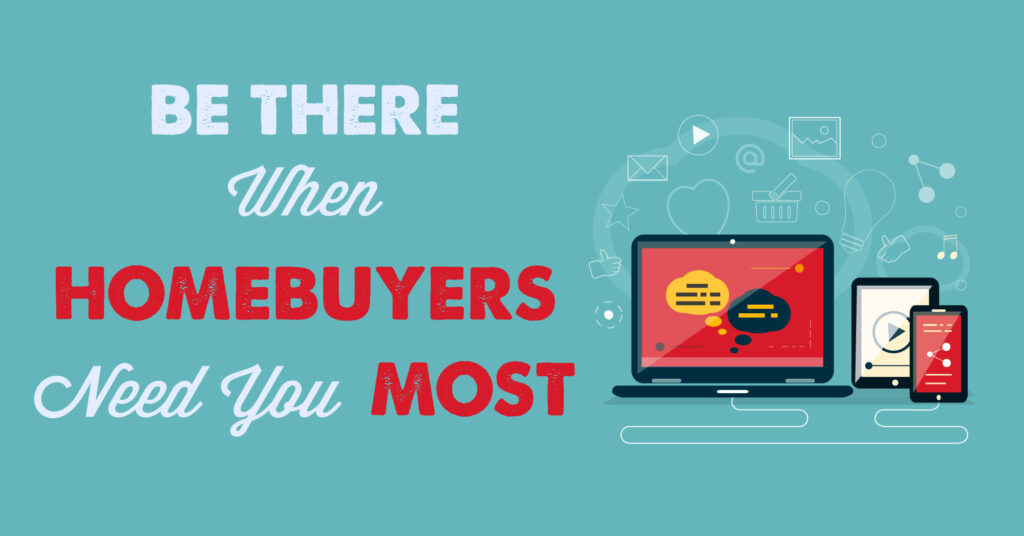
When it comes to contractor marketing, programmatic media is the ultimate omnichannel strategy. From targeting first-time buyers to retargeting lost leads, programmatic ads empower home builders to have the right amount of marketing touchpoints across different channels—all with highly relevant messaging and refined targeting—so you can be there when buyers need you most.
When you’re ready to upgrade your digital marketing plan, we’re here to help you cut through the noise with a customized strategy. Reach out to our team today to start brainstorming your programmatic ad strategy.