
Pay-per-click advertising is one of the best ways to win power washing leads, and for good reason—it’s incredibly effective. People who click on paid ads are 50 percent more likely to purchase something than organic visitors.
Maybe you’ve already earned Google’s top organic search ranking, but trust us—it’s worth using PPC to advertise online. When you tap into the power of PPC, you can display paid ads at the top of Google search results pages to reach the right people at the right time. Then, you’ll lead them to conversion-worthy landing pages that drive them further down the sales funnel.
But if you’re a PPC newbie, you might be unsure how to drive results with PPC. How can you create effective paid search campaigns? What should your ROI look like? What’s the best way to optimize your ads?
Don’t worry, we’re here to help. Here’s everything you need to know about PPC to wash away the competition with powerful power washing marketing.
Even though 45 percent of small businesses invest in paid search, building your own paid ad campaign can still feel pretty intimidating. So, before we dive into the world of PPC, let’s start with a definition.
Pay-per-click (PPC) marketing involves paying a fee to have your website on the search engine results page (SERP) when someone searches for specific phrases. When you target keywords, the SERP will display the ads you create to draw visitors to your website. Then, you’ll pay a fee if someone clicks on your ad.
“Why do I need PPC if I’m already doing SEO for free?,” you’re thinking. You already know that pressure washing is a fast-paced business, and you need to reach the right people at the right time. Unlike search engine optimization, paid search gives you immediate access to prime SERP real estate. You need to cut through the noise and get noticed—and that’s where PPC can shake up your ad strategy.
With the right advertising strategy, PPC can help you grow your business with a predictable stream of power washing leads. As long as you fuel your strategy with a seamless customer journey, you’ll keep the phone ringing and your appointment book full.
So, what are you waiting for? Here’s how PPC can help take your power washing advertising strategy to the next level.

PPC is one of the most cost-effective ad strategies out there. Why? Because you’re only paying when someone actually clicks on your ad. Most businesses earn an average revenue of $2 for every $1 spent on Google Ads, marking a 200 percent ROI.
At the same time, you have complete control over your ad budget. Once you’ve calculated your monthly budget, you can create paid search campaigns that align with your business goals.
Most power washing companies with a marketing budget of 3–5 percent of their gross annual revenue can generate quality leads year-round. That means you can stay busy during shoulder season when fewer people are booking power washing appointments.

Want to target local homeowners? With paid search, it’s easier than ever to boost brand awareness and drive quality leads with advanced targeting options.
This ranges from targeting keywords through text ads to running personalized ads based on past customer behaviors. You can even focus on specific demographics on Google’s display network. Sounds pretty great, right?
It might be tempting to advertise to everyone, but experimenting with targeting options is one of the easiest ways to amplify your ROI. When you target the right people, you’ll get as many impressions as possible without straying outside your target audience.
Plus, you’ll be able to reach people who aren’t already in your target audience, as well as people who have already been exposed to your brand. You have full control over your ad strategy, so you can cast as wide of a net as you want.

While there are mountains of performance information available in Google Ads, the value of that data extends far beyond PPC performance. Marketing should never be a guessing game—and paid search gives you the tools you need to build an impactful strategy that drives real results.
After running paid ads for a few weeks, check your impression, click, and conversion data for each keyword to upgrade your SEO strategy and guide your content marketing efforts.
Want to do PPC like the pros? Run a competitor analysis by researching your local pressure washing competition through third-party tools. This way, you can paint a clear picture of what you’re up against, what keywords your competitors rank for, and how you can improve your strategy.
Contrary to popular belief, building a paid search campaign isn’t just about checking a box. You need to know your target audience, business objectives, and advertising goals to attract homeowners when they need you most.
Ready to build your PPC strategy? Here’s how to say goodbye to ineffective campaigns and wasted ad spend with an effective paid search campaign.
Keywords are arguably the most important component of your PPC campaign. After all, you don’t want your ads to show up in just any Google searches. You need to choose highly relevant keywords to drive clicks and conversions.
When you’re doing keyword research, pay special attention to long-tail keywords (AKA keyword phrases that are a few words long). These keywords tend to be more specific to particular search intents, so they can help you reach local homeowners who are already interested in your services.
The best part? Long-tail keywords usually come with less competition. That means you’ll pay less to reach qualified leads. Win-win!
Keywords aren’t the only way to target people. When it comes to Google Ads, custom segments can be your marketing MVP. In a nutshell, custom segments automatically choose the right audience based on your advertising goals and bidding strategy.
With Google’s new custom segment feature, you can add specific keywords, URLs, and apps related to your power washing services to create custom audience segments. Then, Google will serve ads to relevant leads with the same interests or purchase intentions. Google creates segments based on three factors: reach, consideration, and performance.
After building your target audience, you can send the right message to the right people when they’re searching for local power washing companies. And if you really want to capture their attention, personalized campaigns can make all the difference in your advertising success.
Most paid search ads are limited to two short blurbs—your header and description. You need to keep it short and sweet to convince searchers to click on your ad. It’s a lot harder than it sounds.
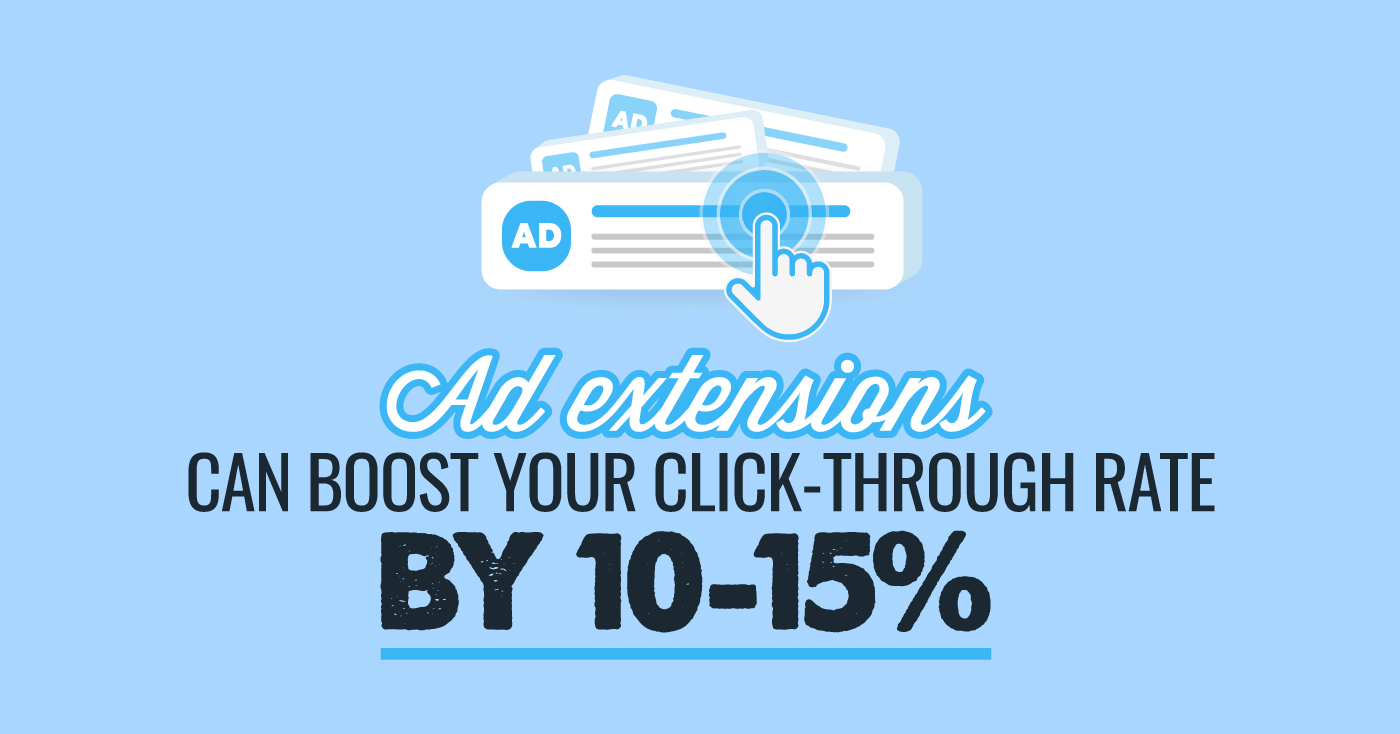
The good news? You don’t have to stick with those limitations if you use ad extensions. When you use ad extensions, your ads take up more space in search results. In turn, they’ll make your ads stand out and push your competitors’ ads further down the SERP.
Google reports that ad extensions can boost your click-through rate by 10–15 percent—and they don’t cost you anything extra to implement. The best types of ad extensions for pressure washers include:
Once you’ve mastered search ads, it’s time to ramp up your strategy. Sure, the top SERP spot can drive visitors to your website, but some of the most effective power washing ads appear on third-party websites. These are called display ads or banner ads.
Unlike search ads, which contain tests, display ads are visual. They can include images, videos, or both. Both search ads and display ads have the same goal as paid ads: driving potential leads to your landing page.
When you set up display ads through Google Ads, focus on your targeting options. For the best results, target ads toward specific websites your target audience is likely to visit. You’ll want to create mobile-friendly, hyper-relevant ads to maximize your click-through rate.
Paid advertising isn’t a “set it and forget it” approach. You need to track results and optimize ads to drive consistent results—and that means setting aside time each month to check in with your campaigns.
Whether you just started your power washing company yesterday or you’ve been around for decades, nobody masters paid search overnight. You need to experiment with different ad copy, targeting options, and budgeting to drive results.
Depending on your strategy, management might cover a wide range of techniques, from A/B testing to keyword research. When your ads are underperforming, you can take that opportunity to reoptimize them or reallocate resources. If you see ads driving conversions, you can try to emulate their effectiveness in other ads.
At the end of the day, paid search is a reliable channel for tons of contractors. And if you can’t afford to wait around for quality pressure washing leads, PPC can help you drive quick traffic and conversions.
Considering all that PPC offers, there’s little risk in testing it out for your power washing company. When you’re ready to make PPC work for you, reach out to our team to brainstorm your strategy.